
There are numerous medical alert and senior monitoring systems to choose from. These devices make users feel safe because they can press a button to receive assistance. Between fall-detection devices and Life Alert necklaces, you can review features, monitoring options, and pricing to find a solution that suits your lifestyle and safety priorities.
What Is a Medical Alert or Monitoring System?
A medical alert system is a device that helps older adults and others in emergencies. Once triggered, it connects the user with trained professionals for direct assistance. The devices can be life alert bracelets or medical alert necklaces and are convenient and secure both at home and on the move.
Emergency-free safety is the subject of senior monitoring systems. They monitor daily activity, alert the palliative care team to abnormal trends, and integrate fall detectors. Understanding the distinction between emergency and monitoring devices will help you select a solution that addresses your needs and improves independence.
Types of Medical Alert Systems You Can Choose
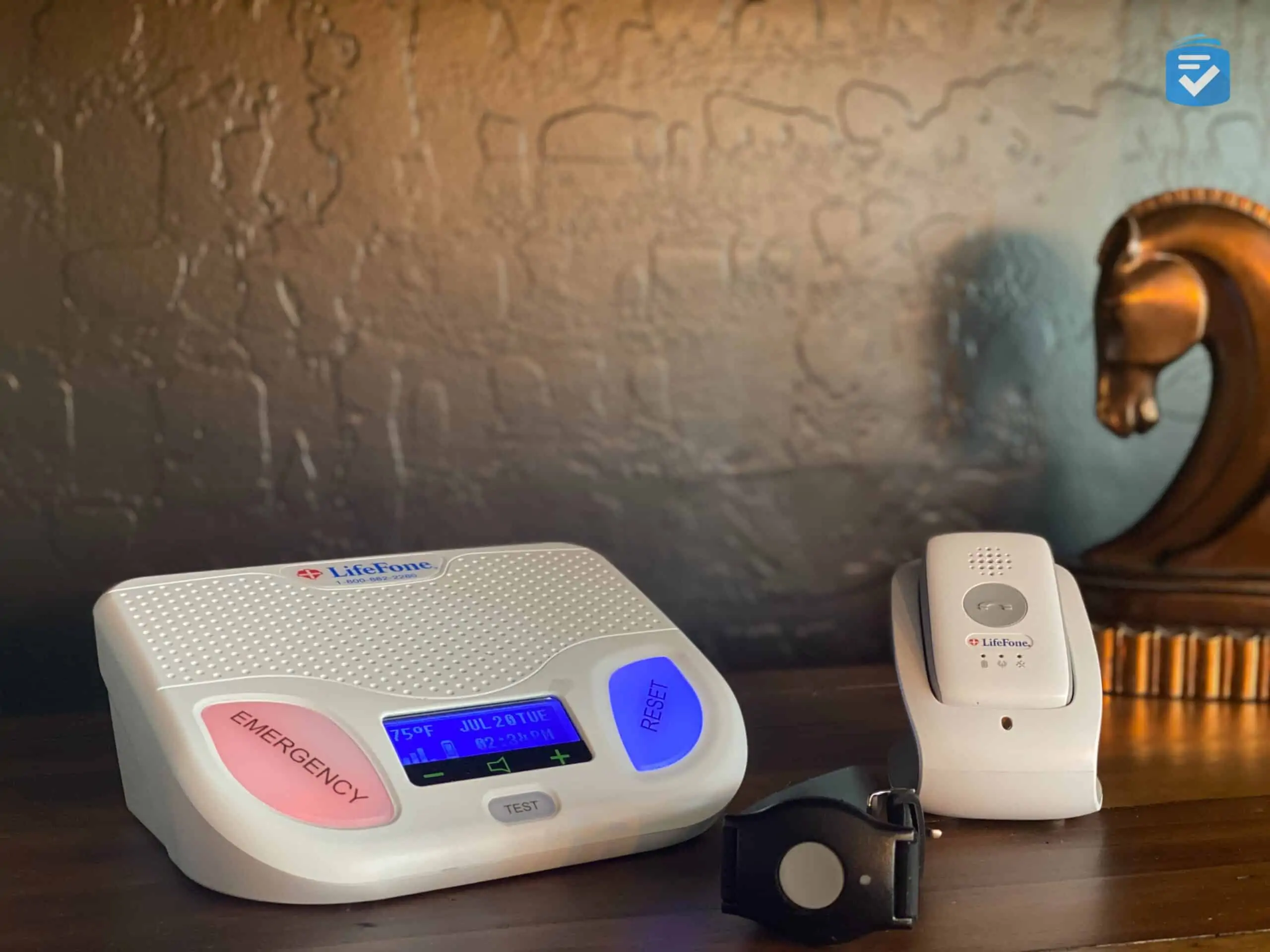
Medical alerts among the elderly are available in in-home and mobile devices. In-home systems typically include a base station and wearable devices, such as a Life Alert necklace. These devices serve specific areas of the house and are linked to a 24/7 surveillance center, enabling a rapid response to emergencies.
The senior monitoring systems available via cell phones offer greater freedom of movement. Life alert devices and GPS-enabled smartphones can help people who fall and cannot get up, providing location information. These systems are ideal for active seniors who require safety inside and outside.
In-Home Systems
Home medical alert systems are ideal for elderly adults who spend most of their time at home. The devices are usually provided with a Life Alert smock or pendant that is linked to a base station. They have emergency buttons that alert monitoring staff to any crisis on short notice.
Fall detection devices that automatically alert are also installed on many devices. This will ensure the assistance is available even if the user cannot press the button themselves. The most crucial factors in choosing the most effective medical alert system for home use are reliability and ease of use.
Mobile & GPS-Enabled Systems
Seniors can move freely and without fear, thanks to mobile life alert devices. With GPS tracking, caregivers can locate their loved ones in an emergency. These systems are usually combined with medical alert necklaces and smartphones, making them convenient and practical.
There are also mobile devices that provide two-way communication and optional health monitoring. These senior monitors, combined with mobility and security, are necessary for active lifestyles and 24/7 access to emergency care.
Key Features to Look For
The key elements include 24/7 monitoring services, time-worn medical alert devices for the elderly, and efficient fall detectors. Some systems provide 24/7 life protection or automatic notifications to caregivers, ensuring the elderly are safe even when alone.
Optional features include GPS tracking, activity tracking, and mobile application integration. Considering the key and optional features will help you choose the most suitable medical alert system for your lifestyle, budget, and daily activities, while ensuring the highest level of safety and autonomy.
Monitoring Options Explained
Monitoring systems are linked to a 24/7 emergency center that responds to all calls. Devices such as Living Alert and Medic-Alert provide access to professional assistance when needed.
Standalone medical alert necklaces are unmonitored; alerts depend on notifying friends or family. These are cheaper but may not provide immediate professional assistance. The decision to use monitored or unmonitored systems depends on the level of support and safety required.
How to Evaluate the Best System for Your Needs
Evaluate your movement, lifestyle, and health risks. Older adults at risk of falls are the primary beneficiaries of Life Alert devices with built-in fall detectors. Frequent travelers may need GPS-enabled devices to stay safe when traveling.
Given the device’s convenience, comfort, and accessibility. Enquire about the monthly cost of the Life Alert service and related services. When assessing these factors, you can be confident you will select a senior monitoring system that is more practical, reliable, and promotes confidence.
Costs and What Affects the Price
Prices vary based on device type, monitoring, and other features. The simplest med alert devices typically cost less per month, while more advanced Life Alert devices with GPS and fall detection can be more expensive.
These aspects, such as the life alert cost, installation, and optional services, affect the overall monthly expense. The key takeaway from these charges is that they help you budget the initial cost and monthly expenses, ensuring the system meets your budget and safety requirements.
Tips for Setting Up and Testing Your System
Immediately after installing the Life Alert bracelet or medical alert necklace, test it. Ensure it integrates well with the monitoring centers and that alerts are triggered as required.
Frequent testing, battery testing, and caregiver familiarization enhance trust in older age monitors. Proper installation of devices ensures the highest level of security and ensures that emergencies are addressed promptly when required.
Conclusion
The appropriate selection of a medical alert system or an older-adult monitoring system helps ensure safety and independence, providing peace of mind. Seniors can be protected at home or on the go with devices such as Life Alert necklaces, fall detectors, and mobile monitoring.
LifeRun offers innovative 24/7 Life alert and monitoring products to provide users with reliable, user-friendly services. When you invest in the right system, you can be confident your loved ones are kept safe, supported, and empowered to live with confidence.
FAQs
How much is Life Alert?
Depending on the system, features, and monitoring plan, the monthly cost of a life alert varies.
Can a medical alert device automatically detect falls?
Yes, many fall-detection systems have alerts that don’t require a button in an emergency.
Are Life Alert bracelets waterproof?
Most are water-resistant and suitable for showers and everyday use.
Do senior monitoring systems work outside the home?
Sure, senior-friendly medical alert devices with mobile GPS support protect from the moment you leave the door.
What is the difference between LifeAlert and Medic Alert?
Both offer 24/7 surveillance, but there are several options for devices, pricing, and feature sets. Against feature evaluation, the best system is selected.