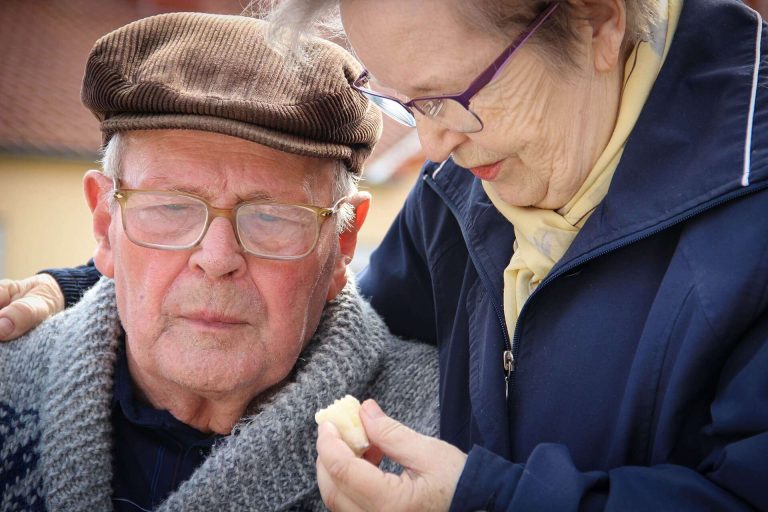
Stress is defined as pressure or strain on a material object. When the object is human, the strain or tension is mental and emotional.
The effect stress has on the object is what concerns us right now. People tend to take stress for granted and keep moving forward. They don’t recognize that it’s eating away at their minds and bodies like acid. When people become elderly, it gets worse.
Effect Of Stress On The Mind And Body
Stress is not only a given in our lives, it’s a constant. While acute stress, such as the trauma of a car accident, is fleeting, chronic stress never stops. The brain doesn’t send hormones to turn it off. This leaves the mind and body suffering the effects of stress:
Emotional things like sadness, irritability, and anger can lead to behavioral disorders such as depression and anxiety.
Physical symptoms such as headache, tight or painful muscles, chest pain, stomach problems, and insomnia segueing into over- or under-eating, not exercising, and decreasing social interaction.
Mood impacts such as a sense of being overwhelmed, restlessness, feeling no focus or motivation, and the resulting irritation and/or anger. When these happen to people, some reach for a cigarette, some for a bottle of Southern Comfort, and others for a plate of pasta.
Stress And Aging
Younger individuals’ stress triggers could be a bad day at the office, gridlocked traffic when they’re feeling rushed, family friction, an unsatisfactory ending from a cherished project, or even a bad encounter in the grocery store. Senior stress triggers differ in that seniors are past the problems of the working young.
Senior stress triggers are more than the death of a spouse or a child, too much time on their hands with nothing productive or meaningful to do, the kids don’t come around much, or even changes in physical things like sight and hearing loss, and problems with balance, flexibility, and mobility. But these are just triggers. What causes elderly stress?
Causes Of Stress In The Elderly
Remember that the definition of stress includes the words strain and pressure. Life gives us all kinds of pressure. One of the biggest pressures is financial strain. This is directly responsible for lifestyle changes, health changes, tension between the senior and children, or relatives with whom they’re forced to live due to these causes. Add all that up, and you have seniors with chronic stress.
These aren’t the only causes of stress in elderly people, though. Taking care of an ill loved one or spouse, watching the grands while your kids work, watching their own health erode while doing these things, worrying about being put “in a home,” and losing their independence all contribute to senior stress. Wanting safety and care for your elderly should be a comforting feeling!
It’s natural for any human being to ask. Does stress cause aging? You would certainly think so after reading about its causes and triggers in the elderly. The fact is that it’s inevitable. The DNA is altered by stress triggers. Studies show that those with a lot of job stress have short telomeres, which are sections of DNA strands. When the strands are too short, the cells are either damaged or they die. This causes aging.
Stress-Caused Panic Attacks
To a younger individual, a panic attack would be just that. It goes away in around ten minutes, and the individual goes on about their day. A panic attack affects the senior body a little differently. The elderly body has been through a lot in its lifetime and is slowing down and weakening. It takes longer to recover from illnesses and emotional onslaughts.
To an elder, a panic attack feels the same as a heart attack. The heart races, cold sweat breaks out on the body, the body shakes, and confusion reigns. Seniors without a medical alert button might very well have a heart attack or stroke out of plain fear that they’re already having one. That emergency button could save their lives.
Senior Stress Management
The young 21st century has become notable for taking something simple and stretching it beyond normal bounds. For example, what should be seniors’ relaxing and happy years have been portrayed as anxiety-ridden years that should be carried on in the 21st-century equivalent of a “home,” or assisted living.
While some seniors do have stress-induced physical and emotional issues, they should be balanced with the remainder of life in their proper proportional place. In other words, stress management for older adults should include what normal senior years are noted for: going fishing, playing in the park with the grandchildren, and gathering for coffee with friends.
Seniors will have at their fingertips a panic button when they’re in the park, on the lake or river fishing, or with friends having coffee. Even though the senior is relaxing and having some much-earned fun, stress can still wreak havoc. Seniors need a way to handle the stress-caused problems with confidence. The panic button is one.
Another method of stress management for seniors is to identify the triggers and then work to remove them. For example, social interaction like volunteering helps with the loneliness and isolation of loved ones being gone. Reading and meditation help with feelings when seniors think they have nothing to give anymore.
For seniors, diet and exercise help with all kinds of stress causes. Many seniors walk the malls, in the parks, they join other seniors to challenge themselves and others, they join Jazzercise, or senior day at the YWCA. This gives seniors not only vital exercise, it helps with socialization. It removes several triggers at one time, allowing seniors to remain independent longer.
Final Thoughts
Stress happens. No one can stop it. They can mitigate it, though. Seniors, especially, have an emergency button for elderly folks they can hang around their necks. It’s called the Belle medical alert system by LifeRun Medical Alert Systems. Along with a healthy, senior-specific diet, exercise, social interaction, meditation, and mindfulness, a senior determined to be as healthy as possible both mentally and physically, and equipped with their emergency button, can beat stress.
Every week, Liferun is giving away free medical alert service for one year. Now is the time to take a chance at a medical alert button!