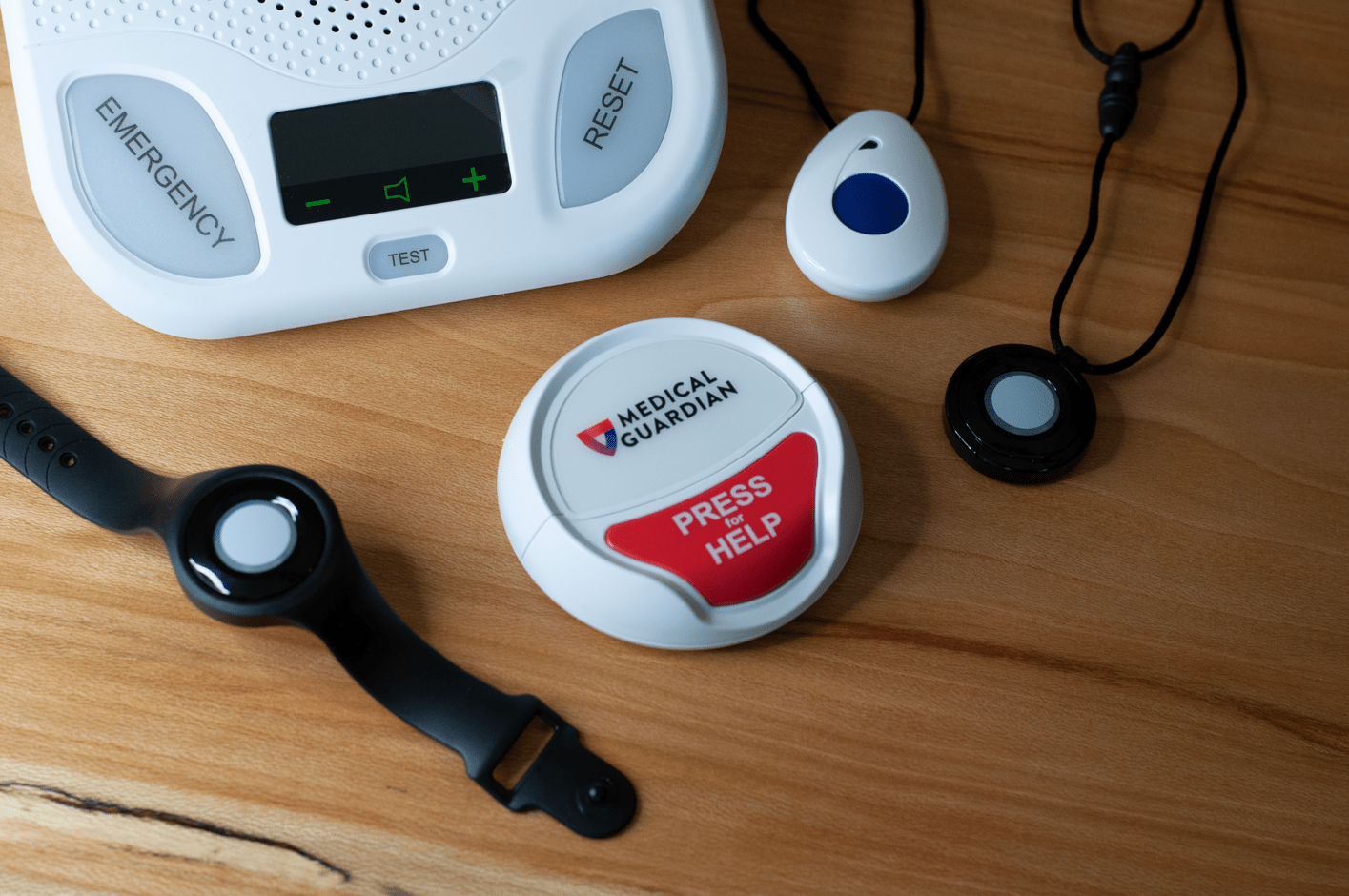

There is rarely any warning of medical emergencies. Seniors and those with health conditions can only make a few seconds’ worth of decisions. Medical alert systems have proven to be lifesavers, providing immediate assistance when it is most needed. Brands such as LifeRun follow this tradition, enabling people to remain independent while staying safe in the most serious situations.
These mechanisms are not mere machines; they are lifelines. Given the number of falls to unexpected medical events, real-world experience demonstrates that immediate response has prevented tragedies and saved thousands of lives over generations.
Why Medical Alert Systems Matter More Than Ever
The use of medical alert systems is essential given the global aging population. Most of the elderly like to live alone, but they can fall or have a heart attack when they want. Such systems are designed to bridge the gap between independence and safety by providing assistance that is always available.
Historically, Lifecall medical alert solutions have been trusted, and people have been informed about their history and reliability over the decades. Modern technology is built on that, enabling faster response and greater accuracy in real-life emergencies.
The Growing Need for Emergency Preparedness in Aging Populations
Old age is also associated with vulnerability to mobility balance and chronic disease. Emergency preparedness is no longer a choice, particularly for single people. Medical alert systems reduce response times, which significantly contribute to survival and recovery rates.
The history of Lifecall medical alert systems helps explain why families are confident in these solutions. Throughout their development, their dedication to safety, reliability, and instant service has been long-standing.
Medical Alerts vs Phones: Why a Dedicated System Wins
Phones are helpful, but they are not always available in an emergency. It is impossible to access a phone when one falls or goes unconscious. Medical alert systems are portable and should activate immediately.
Many people ask how long Life Alert has been in operation, as longevity breeds confidence. Specifically designed systems are used in emergencies, whereas phones rely on manual access and signal connectivity.
Real Life Stories of Lives Saved
Real stories are used to emphasize the tangible effects of medical alert systems. One of the seniors fell in the bathroom and was unable to stand. A single-press help button arrived within minutes, preventing serious complications.
Another user has had an unexpected medical attack in the open air. With wearable alerts, emergency services were dispatched immediately. These experiences demonstrate that the reliability established by Lifecall Medical Alert Solutions’ history continues to save lives today.
Rapid Response That Prevented a Tragedy
In crises time is of the essence. A quick reaction has time and again transformed life-threatening circumstances into survivable ones. Medical alert systems provide direct contact with trained responders who conduct immediate assessments of situations.
Families have a long-established history with systems. Questions such as how long Life Alert has existed are often asked to ensure the technology will be operational when it could make a difference in seconds.
Fall Detection That Changed a Family’s Life
Many families have been able to save their lives through automatic fall detection. One of the older users fainted and was unable to press the button. The system detected the fall and assisted promptly.
The development is based on years of innovation evident in Lifecall Medical Alert Services’ history. It assures the families that even non-verbal emergencies will not pass unnoticed.
Common Emergency Scenarios Where Alerts Make a Difference
Medical alert systems are programmed to respond to a wide range of emergencies, including falls, strokes, heart-related issues, and diabetes. Such situations can be very demanding, such that they may need timely intervention to avert damage in the long term.
Experience and longevity are the reasons for the trust in these systems. Understanding the history of Life Alert helps users recognize that these devices are not a fad but a necessity for maintaining a safety net.
Falls and Automatic Detection
Falls are among the most common causes of injury among older adults. The automatic detection will ensure that help is sent even if the user does not respond.
This aspect is the result of the development of the initial alert systems. It continues to be enhanced in line with Lifecall Medical Alert’s history of innovation, prioritizing user safety.
Sudden Medical Events: Heart Stroke Diabetes
Incurable medical conditions need to be addressed urgently. Medical alerts reduce time spent by enabling responders to be called without requiring the user to perform complex interventions.
The industry needs longevity in life-threatening situations. This is why individuals research how long a provider has been in business before choosing it.
Peace of Mind for Families and Caregivers
Family members experience emotional relief through medical alert systems. Caregivers and loved ones know they can always rely on support, which helps them feel calmed.
This sense of peace has grown over Lifecall Medical Alert Services’ decades of service, which have helped families with consistent emergency response.
Conclusion
The effectiveness of medical alert systems is supported by real-world evidence and decades of innovation. Technology for saving lives has evolved since ancient times to the modern technologies that save lives today.
By selecting a trusted provider, such as LifeRun, one can invest in safety and peace of mind. With a solid background in Lifecall Medical Alert Solutions’ history, LifeRun is determined to safeguard what matters when every second counts.
Frequently Asked Questions
What is the history of Lifecall Medical Alert Systems?
These systems were developed decades ago to provide seniors with prompt emergency support and have since been enhanced with modern technology.
How long has Life Alert been around?
Many decades after their inception, life alert systems have earned users’ trust due to their reliability in emergency response.