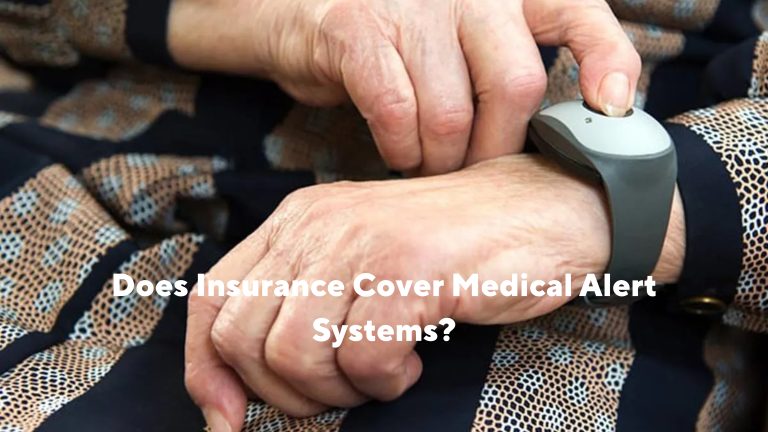
Health crises can occur at any time, and it is essential to have the proper backup in place. Med alert systems provide seniors with peace of mind, fast access to help, and independence. It may be daunting to choose the right one, but it’s easier to understand your options, features, and coverage. LifeRun offers recommendations on choosing a sound system that fits your lifestyle and needs.
Shop Online for Medical Alert Systems
Online purchase of a Med Alert system is convenient and has several variants. You may compare medical alert devices that older adults rely on, such as GPS, fall detection, and review features. Online shopping also lets you browse brands and review prices before committing.
A wide variety of platforms offer mobile personal emergency response system solutions for elderly people who prefer wearables. With online shopping, you can browse all medic alert button styles and life alert pendant designs to suit your preferences without compromising on safety.
Buy from Local Retailers or Pharmacies
Local pharmacies and retailers can be used to gain practical experience with Med Alert among the seniors. You can test devices such as a Life Alert pendant or a First Alert medical device in person and be comfortable and confident in their ease of use. Employees will be able to respond to simple functionality and configuration queries.
Shopping locally can be an option, where items are bought and shipped instantly. You can also ask questions regarding trial periods and warranties. In-store vs. online comparisons on mobile help you find the best price and system that fits your budget.
Purchasing Directly from Providers
Purchasing directly from suppliers will enable application users to access unique features and personalized configurations. Professional installation, training on how to operate the device, and senior-specific customer care are often provided by the providers.
Direct purchase options include the Life Alert Hawaii service and guidance on how to obtain it. It is perfect when one wants to select specific monitoring plans or when a person wants a detailed overview of the questions before subscribing.
Compare Payment Options and Pricing Plans
Numerous medical alert system vendors offer monthly/annual subscriptions or a one-time purchase. Knowledge of Medicare-covered medical alert services and insurance options helps you select an affordable plan.
Compare the features with Medicare and Life Alert coverage to identify the system that offers the best value. The costs of installing, maintaining, and replacing devices that best suit you help you make a sound financial decision without compromising your safety.
Final Checklist Before Making a Purchase
Make sure the medical alert system you have chosen suits your lifestyle and medical needs before you make your final decision. Ensure the Medic-Alert application and devices are well integrated to make their use simple.
Ensure your plan aligns with coverage benefits, such as MedAlert under Medicare coverage, and prospective needs. The system chosen in consultation with LifeRun will ensure a reliable emergency response and help increase peace of mind for you and those you love.
Conclusion
The correct medical alert systems are the right choice, ensuring safety, independence, and peace of mind. To make informed decisions about medical alert devices for seniors, their coverage and features must be compared. You will be able to choose a system that best fits you and receive trusted emergency services and daily assurance through LifeRun.
FAQs
What is a medical alarm?
A medical alarm is a device that alerts emergency officials when an elderly person or an individual needs assistance, typically in the form of a medical alert button or a wearable pendant.
Does Medicaid cover Life Alert?
Coverage varies by state. Specific Medicaid programs can help cover life alert pendant subscriptions.
How do I get Life Alert?
You can buy Life Alert Best Buy directly from the providers, local retailers or on the internet to gain convenient access to Life Alert Best Buy options.
Does Medicare cover Med Alert systems?
Part of the funds may be covered by Medicare, at least for medically necessary equipment, under some Medicare Advantage plans.
What should I ask about medical alert systems?
Some of the most critical questions are response times, device features, subscription and trial costs, and compatibility with mobile personal emergency response system devices.