
Fall detection technology has emerged as a key safety measure for older adults and their caregivers, enabling peace of mind without requiring constant oversight. Given the elderly’s vulnerability to falls, modern medical alert devices use smart sensors and automatic alerts to enable a rapid response in emergencies. Technologies such as automatic fall detection can help address safety and independence. At LifeRun, understanding how these systems operate enables families to make informed decisions about the care of older adults and long-term care.
Why Fall Detection Matters
One of the most common causes of injury in elderly people is falls, with the majority of falls leading to hospitalization and prolonged recovery duration. Senior fall detection systems help reduce response time by notifying a caregiver or emergency services when a fall occurs. A rapid response may reduce complications and improve recovery.
In addition to physical damage, falls may affect self-esteem and self-reliance. Fear of falling limits most seniors’ daily activities. Falls alerts: Medical fall alerts provide a sense of security, allowing people to move freely without worrying about needing assistance. This compromise between security and autonomy is why fall detection technology is relevant today.
What Is Fall Detection Technology?
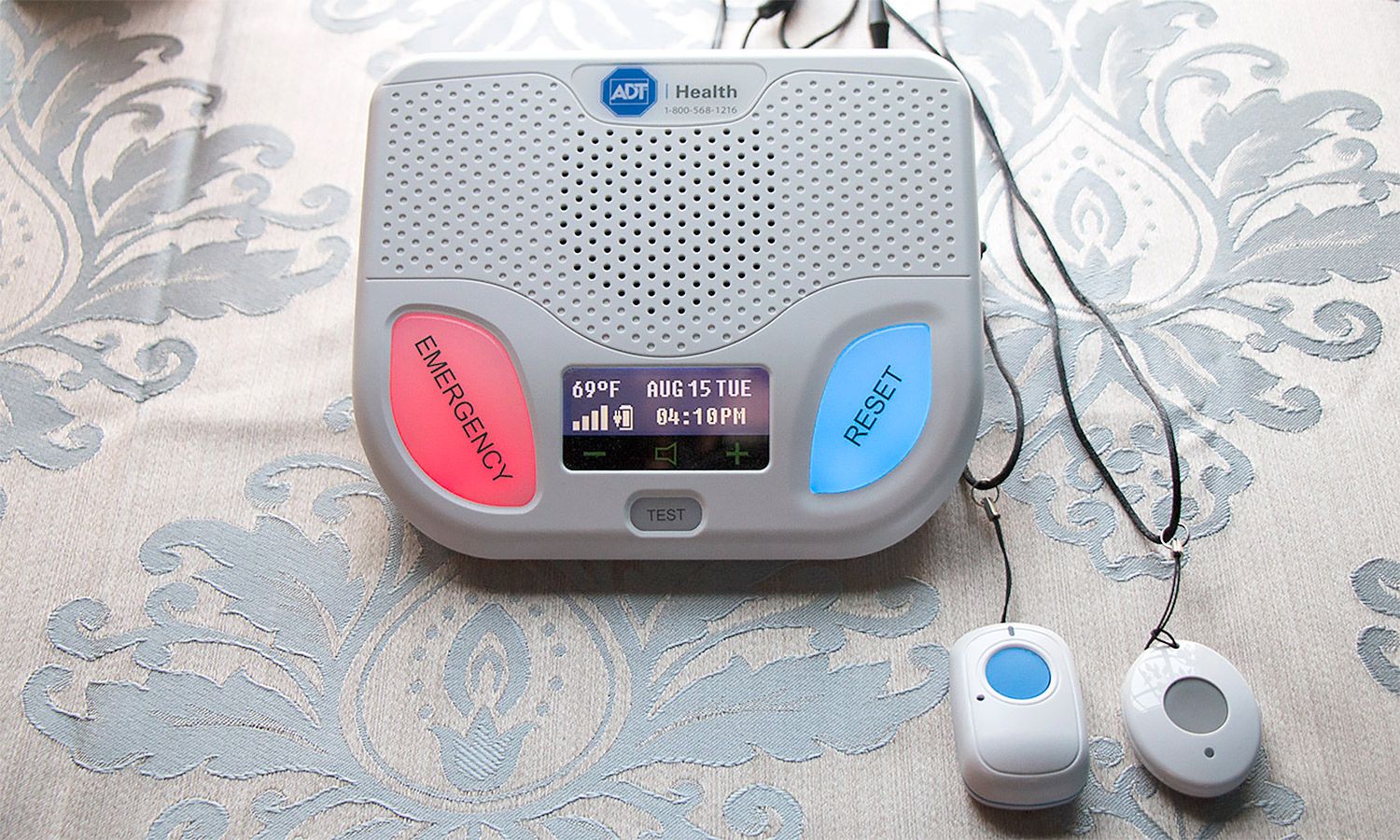
Fall detection technology is an innovative system that identifies sudden movements that may indicate a fall. These are typically incorporated into life alert systems with fall sensors or wearable medical alert devices. They track movement patterns and automatically trigger an alert for unusual activity.
In contrast to manual emergency buttons, automatic fall detection would also respond if the user is unable to press a button. This is particularly useful for older adults who live alone. Modern systems prioritize precision and ease of use and are only safe when they do not require constant user contact.
Wearable vs Non-Wearable Fall Detection Systems
Pendants and wristbands are wearable devices commonly used for life alerts with fall detection. They follow the body in motion, enabling tracking of motion and responding to the alarm. Their popularity stems from portability and reliability in other settings.
Non-wearable technologies use in-home sensors installed throughout living areas. They are not mobile, even though they work effectively indoors. Most users prefer wearables because a fall-detection life alert provides an insurance layer of protection both inside and outside the home, promoting an active lifestyle.
How Sensors Detect a Fall (Movement and Impact)
Sensors use accelerometers and gyroscopes to monitor speed, direction, and impact. If a sudden drop is followed by inactivity, the system assumes a fall has occurred. This is why fall detection is used in real-world settings.
More complex algorithms are used to distinguish between falls and everyday actions, such as sitting down quickly. This maximizes safety without reducing false alarms. Some brands, such as Lifeline fall detection, invest significant effort in customizing sensor thresholds because they are more accurate and better accepted by users.
How Fall Detection Works Step by Step
This starts with sensors that continuously monitor body movement. The system sends an alert if a sudden change in movement or a collision is detected. This is the essence of a lifeline with fall detection and other similar solutions.
After activation, the device connects to a caregiver or monitoring center. If the user does not respond, emergency services will be notified automatically. This gradual process will ensure that assistance is provided even when the user is not awake to request help.
Accuracy, Limitations and Common Misconceptions
Although it is advanced, no system is flawless. Medical alert device reviews usually pinpoint a few instances of false positives or falls when descending slowly. Nonetheless, ongoing enhancements are underway to improve reliability and minimize errors.
The common misconception is that every system functions the same way. In fact, accuracy depends on the brand and quality of the sensors. Antifall systems, such as AARP fall detection and Lifeline fall detection, are often compared on performance; therefore, reviews are critical before adopting a particular device.
Choosing the Right Fall Detection Solution
The lifestyle, mobility, and health requirements will determine the suitable system. Active seniors may prefer outdoor, portable wearable life-alert systems to address falls.
Others include battery life, monitoring services, and accuracy rating. An evaluation of medical alert devices enables a comparative assessment of alternatives, guiding families to choose attainable solutions that align with their expectations and deliver long-term value.
Conclusion
Knowledge of fall detection helps family members make informed safety decisions. These systems range from automatic fall detection to wearable medical alerts, safeguarding independence and enabling prompt emergency response. When selecting the appropriate solution, the issues of accuracy, usability, and reality are analyzed. At LifeRun, there will be safer and more confident lives for seniors and peace of mind for those who care about them.
Frequently Asked Questions
Does Life Alert have fall detection?
Yes, there are many Life Alert providers with fall detection; the sensors automatically send alerts when a fall occurs.
How does fall detection work?
It employs motion sensors to detect sharp blows and periods of inactivity and sends an assistance alert.
Are medical alerts with fall detection accurate?
Modern systems have a high level of accuracy; in particular, brands such as Lifeline fall detection are highly accurate but not without fault.
What is the difference between Life Alert and Lifeline?
The two have medical alerts with fall-detection features, though the features and monitoring services may differ.
Is fall detection suitable for seniors living alone?
Yes, elder fall-detection needs are ideal for independent living, enhancing safety.