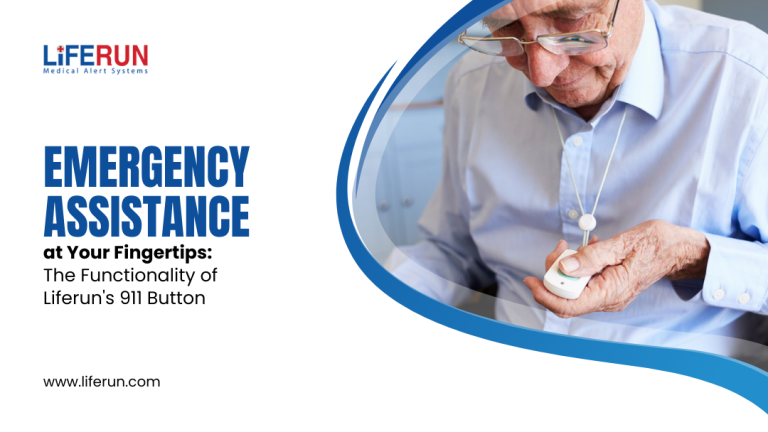
Medical alert systems are essential for helping older adults remain safe and independent. Many families ask whether insurance is beneficial for covering these devices and other services. Understanding the types of coverage, pricing, and alternatives can help you select the most suitable medical alert solution and manage your budget effectively. This manual provides a clear explanation of insurance coverage and helps you make the right decision based on your needs, with support from your trusted providers, such as LifeRun.
What Insurance Plans Might Cover Medical Alert Systems
Whether the medical alert systems offered to seniors are insurable or not, it all depends on the kind of plan you are in. Standard health insurance policies do not always cover a medical alert device, as it is considered a safety device rather than a medical treatment. Nonetheless, there may be plans that offer limited benefits or allowances.
Some additional plans may include medical alert devices for older adults, particularly those with long-term illnesses or a history of falls. Always be careful with plan documents, and clarify eligibility and coverage details with your insurer before buying.
Medicare (Original Medicare Parts A, B, and Medigap)
Original Medicare generally does not include life alert services or medical alert equipment for older adults. This equipment is typically classified as convenience or preventive, rather than durable. A Life Alert that falls under Medicare coverage is not usually applicable.
Medigap plans are also Medicare-based; that is, they generally do not cover life alert charges. Older adults who use only Original Medicare are advised to set aside funds to purchase devices such as a medical alert button or a Medic-Alert bracelet.
Medicare Advantage (Part C) Plans
Medicare Advantage plans may provide medical alert systems to seniors, either through wellness programs or as a supplemental benefit. Discounts or partial coverage may be available for fall alert devices.
The benefits differ across different providers and regions. Always check whether the Medicare Part D life alert benefit is included in your Advantage plan and whether equipment is covered.
Do Private Health Insurance Plans Cover Medical Alert Systems?
Most private insurance plans do not routinely cover medical alert devices because they are not considered essential medical equipment. Nevertheless, some plans may include wellness credits or optional riders that can reduce the cost of Life Alert.
Part of the Life Alert cost may be reimbursable under employer-sponsored or private premium plans, in some instances, when used to prevent falls. Before purchasing a product, you should seek a written assurance from your insurer.
Medicaid and State Programs: What You Need to Know
Medicaid coverage of elderly medical alert systems varies by state. Home and community-based services include personal emergency response systems in some state Medicaid programs. The programs are designed to help older adults remain safely at home.
Medical need, state-specific requirements, and income are the qualifying criteria. Some coverage is provided of basic medical alert device installation and monitoring, though it may often not cover premium features or upgrades.
Long Term Care Insurance and Medical Alert Coverage
Medical alert devices may be more widely covered under long-term care insurance for older adults. These policies would address aging-related needs, such as safety checks.
Other plans cover monthly monitoring or equipment expenses of medical alerts to prevent falls or emergencies. Policy specifications vary, so it is essential to review benefit limits and exclusions before relying on coverage.
Veterans Benefits TRICARE and Other Government Programs
Veterans can receive assistance through VA programs that support independent living. There are other situations where VA benefits could help cover fall protection gear or simple medical alert systems for seniors.
TRICARE is not a comprehensive cover but it can also cover related safety equipment in certain situations. Programs available to veterans, along with application steps, should be consulted at their local VA office.
Typical Costs of Medical Alert Systems
A life alert typically involves a start-up fee and a monthly monitoring fee. The question many families ask is how much Life Alert costs, since prices vary based on device features, including fall detection and GPS.
Simple medical alerts can start at a lower price, while more complex alerts for older adults with automatic features are more expensive. Knowing the total life alert cost helps prevent unexpected costs.
Ways to Reduce or Offset Costs
Other seniors contact HSA or FSA funds to cover medical alert services when they are considered health-related. Local senior organizations may also offer discounts on Med Alert subscriptions.
Selecting medical alert systems with no monthly fee would lower the costs in the long run. Shopping is the best way to compare providers and features, and to pay only what is needed.
How to Verify Coverage With Your Insurance Provider
Begin by calling your insurer to confirm whether medical alert systems are available to seniors as supplemental benefits. Ask about the maximum reimbursement limits and the list of acceptable providers.
Record all the communication and copywritten replies. This is to prevent confusion and ensure clarity when buying a medical alert device.
Conclusion
Medical alert is not impossible to be insured. Although routine coverage is typically not covered by Medicare or other insurance, some supplemental and government programs partially cover it. Knowing coverage options and alternatives, along with associated costs, helps families make safer decisions. Owing to the flexibility of its solutions and senior-focused safety tools, LifeRun can fill the gap by providing trusted solutions that help ensure a person is at peace with their independence and protection in their day-to-day life.
Frequently Asked Questions
Does insurance cover Medic Alert bracelets?
Most schemes do not include any medic alert bracelets for women unless there is a special program.
Is there a medical alert system without monthly fees?
Yes, there are medical alert systems that are over-the-air, with no monthly fee but an initial fee.
Can fall detection devices be reimbursed?
Certain Medicare Advantage or Medicaid plans can be used to assist in fall alert devices.
Do medical alert buttons require a prescription?
In most cases, a medical alert button is not prescription-based.